
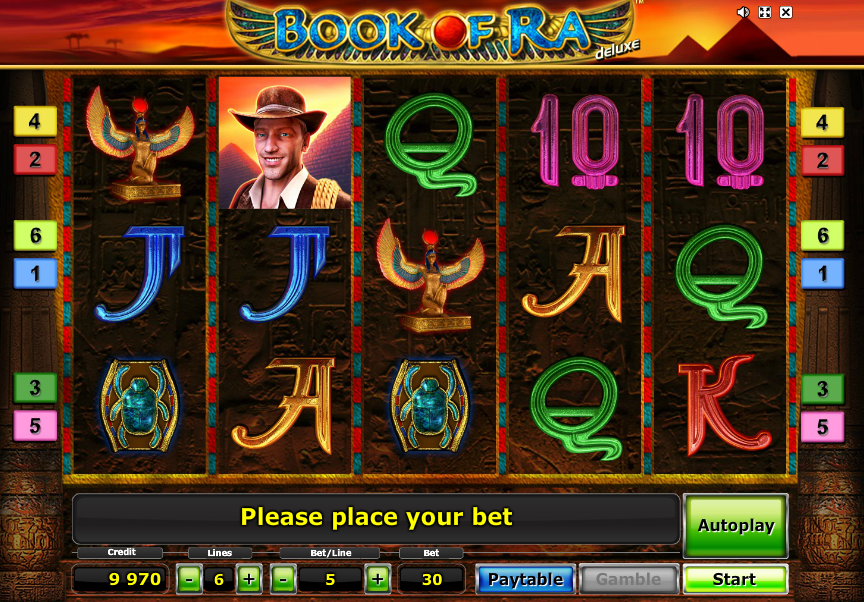
Let’s examine the progressive jackpot mechanism you’ll find in many Book Slots of Slots games. This aspect generates a true thrill, and for a good reason. If you’re gambling in the UK, understanding how these ever-growing prizes work will make you a savvier player. We’ll explain the workings, a touch of strategy, and highlight some important games where those game-changing wins truly occur.
The Basic Principle of a Progressive Pool
Imagine a progressive jackpot as a collective pot. Every time someone puts down a qualifying stake on a connected game, a small portion of that funds gets added to the jackpot. It keeps increasing, sometimes for many weeks or months, until one player gets the winning combination. Standard jackpots have a predetermined limit. Progressives don’t. They can swell to sums that get reported, which is just what they tend to do.
The attraction is straightforward. It turns a standard slot spin into a chance at a massive lottery-like prize. Since the system ties together players from different casinos, everyone’s bets work together to push the number higher. You’re all participants in a collective pursuit for one enormous prize, and it can hit on any single spin.
That aspiration of a enormous win, ticking upwards before your eyes, is a compelling lure. It sets these games apart from standard slots, where the largest possible win is right there in the paytable. With a progressive, the limit isn’t in the game’s code—it’s dictated by how many players are active and how much time has passed since the last big hit.
The method Progressive Jackpots Accumulate Value

The manner the money piles up is straightforward but powerful. Each connected game funnels a small percentage of every bet into a main network. This network can be just for one casino, connect games from a single provider, or make up a enormous international pool across many software companies. The last type is where you see those historic numbers.
The Base Amount and Funding Rate
Every progressive jackpot demands a foundation, called the ‘seed’. This is a lowest amount guaranteed by the casino or game maker. From there, a set contribution rate—usually anywhere from 1% and 10% of each bet—fuels the growth. This rate is embedded in the game’s maths from the start.
Here’s the important bit: that contribution is taken from the game’s overall Return to Player (RTP). So, the base game’s standard payout percentage is a slightly lower to allow the jackpot possible. The seed money ensures the prize seems tempting right from the beginning, even before thousands of players boost it.
Connected vs. Standalone Progressives
You’ll generally come across two main types. Standalone progressives are tied to a single game at one casino. They increase more slowly, but your odds of hitting them are better. Networked (or wide-area) progressives connect hundreds of the same game across multiple casino sites. These shoot up fast and reach colossal sizes, but the odds of winning are much longer. As a UK player, choosing which to go for means weighing that trade-off.
Examples like Mega Moolah or the Gold Power Jackpot are typical examples of networked giants. Their scale is why they shatter records. A standalone jackpot, on the other hand, could pop more often and could be linked to your casino’s rewards scheme or a specific slot.
Popular Book of Slots Games with Progressive Elements
A number of games in the well-liked Book of Slots series tap into these lucrative systems. Even the iconic ‘Book of Dead’ sometimes appears in network progressives, where the traveler Rich Wilde might take you to an extraordinary prize. These games keep their standard free spins and expanding symbol mechanics, but they’re tied to a larger prize pool.
Mega Fortune along with Hall of Gods
These are not ‘Book of’ games, but NetEnt’s Mega Fortune and Hall of Gods are the templates many progressives emulate. They refine the multi-tier system, where you can land Mini, Minor, Major, and Mega jackpots. Their motifs of immense wealth and Norse mythology fit seamlessly with the vision of a win that changes everything.
Other notable names include ‘Mega Moolah’ with its cheerful safari theme and ‘Divine Fortune’, which blends Greek myths with progressive features. These titles virtually created the ‘jackpot slot’ category that players now search for for a opportunity at a huge payout.
What to Look For in a Game
Our recommendation is simple: read the game’s information page or paytable. It should clearly state if a jackpot is progressive and detail the rules for participation. Check for specifics on bet requirements and whether the game is part of a regional or international network. That shows you a great deal about the likely prize size.
Also, watch the jackpot ticker indicating the current value. Some games display a record of recent wins. This can show how active the jackpot has been. On a regional network, a jackpot that hasn’t dropped for ages might be theoretically nearer to a trigger—but note, this is by no means a certain thing.
Regulation and Equity in the British Market
UK players have robust protections. The Gambling Commission requires every progressive jackpot game to run on a approved Random Number Generator. This guarantees every spin is completely independent and fair. Operators also have to explain the rules and odds of their jackpot games clearly.
The security of the prize money in itself is also crucial. Reputable casinos either keep jackpot pools in dedicated, protected accounts or use insurance models to ensure they can pay out. So, if you land that mega-win at a UK-licensed casino, you can trust the money is safe and will be paid.
Independent testing agencies like eCOGRA or iTech Labs perform regular audits. They confirm that the contribution percentage is correct and that the jackpot trigger is actually random. This regulatory framework is a significant plus for anyone deciding to play at UK-licensed online casinos.
Triggering the Jackpot: Arbitrary vs. Set Approaches
How do you actually win it? The trigger method is important. With a random trigger, the jackpot can land on any spin at all, regardless of what symbols come up. You often need to be betting the maximum to be eligible, though. This system, employed in many networked Book of Slots games, introduces a layer of pure chance over every spin.
The other main way is a fixed trigger. Here, you need to get a specific, very rare combination of symbols on the reels. It’s the more conventional route. Whichever method a game uses, a Random Number Generator (RNG) determines the outcome. For UK players, this RNG is tested and certified under strict Gambling Commission rules to assure fairness.
There’s a third, less common version: the mystery bonus trigger. In this case, the jackpot is won inside a special bonus round, maybe through a pick-‘em game or a wheel spin. It blends the jackpot chase with a bit of story, building another moment of suspense before the prize is disclosed.
Architectural Models: On-Site, Area, and Wide-Area
Moving past standalone and networked, progressives can also be classified by their architectural reach. An in-house jackpot is funded only by players at one casino group, but it might connect several different games in their library. This produces a mid-sized prize that increases quicker than a single-game standalone.
Regional area progressives link the same type of game across a specific software provider’s network, but typically within a certain region or partner group. It’s a standard setup for numerous popular slots. Then you have the wide-area progressive, the true behemoth. It connects games internationally, across multiple providers and casinos, creating the biggest pools of all.
If you’re playing from the UK, you can usually find out which model a game uses by checking its information or help section. The terminology might change, but the rule stays accurate: broader networks mean bigger jackpots and much slimmer odds. Your selection should fit your budget and what you desire from your gameplay that day.
Tactical Considerations for UK Players
Pursuing progressives demands a particular approach. Most importantly, always bet the maximum if that’s what’s necessary to qualify for the jackpot. Wagering less might still let you win on the base game, but it will lock you out of the main event. That’s a disappointing mistake to make.
Bankroll management becomes even more critical here. The odds of hitting a top-tier networked jackpot are incredibly long. It’s best to treat progressive play as entertainment with a strict budget, not an investment strategy. The ‘must-drop’ timing on certain jackpots can add a calculated twist.
Some progressives have a ‘must-drop’ mechanism, which assures the jackpot will pay out by a certain date or when it reaches a specific value. This alters the maths a little, though the house still keeps its edge. Playing these games might offer a slightly better theoretical chance, but the golden rule remains: set a budget and stick to it.
Popular Misconceptions and Honest Perspective
Let’s clear up a few myths. One widespread belief is that a jackpot is ‘due’ to hit after a long period of growth. Not true. Each spin is an separate event; the odds don’t improve over time. Another false belief is that betting more on your spin directly enhances your personal chance of winning that round. That’s not how RNG systems work.

The Truth of Winning Odds
The odds of winning a top-level progressive are in the same range as winning a major lottery. It’s a rare, life-altering event. A more realistic approach is to appreciate the base game for what it is, with the jackpot as a fantastic bonus. For most players in the UK, appreciating smaller wins and getting a good length of playtime is a more intelligent, more achievable goal.
The maths are designed so the jackpot will hit statistically over a vast number of spins. Your playing session is just a tiny sample. So, the healthiest mindset is to recognise the entertainment your budget buys you.
Safe Gambling with Progressives
We have to highlight responsible gambling. The dream of a huge payout should never lead you to chase losses. Use deposit limits, take breaks, and consider your jackpot contributions as the cost of a ticket for an entertaining, long-odds draw. Always put first playing for fun within what you can afford.
Make use of the reality checks and session reminders offered by UKGC-licensed sites. Remember, the part of your bet that feeds the jackpot isn’t an investment you’ll get back. It’s the price you pay for the chance to win big. Keeping that viewpoint helps maintain a healthy and enjoyable relationship with progressive jackpot games.